How to improve Youth Baseball Batting:

PROVEN Drills & Coaching Tips for 2026
Practical strategies to improve youth baseball batting — drills, mechanics, practice plans, and coaching tips to boost contact, power, and confidence in young hitters.
Introduction
Youth baseball batting can change fast with the right coaching and focused practice. Studies show deliberate practice beats volume alone — short, targeted sessions produce faster gains. Whether you’re a coach, parent, or player, this guide breaks down the highest-impact drills and teaching methods to improve youth baseball batting quickly and safely. Expect clear progressions, measurable goals, and simple tools to apply at practice or in the backyard.
Fundamentals of Youth Batting Mechanics
“Man, if I had a dollar for every time I’ve seen a young hitter step into the box with their hands in the wrong spot, I’d probably be retired by now! ” After coaching youth baseball for over fifteen years, I’ve learned that getting the basics right early saves so much heartache down the road.
Getting the Stance and Grip Dialed In
Let me tell you about Tommy, one of my first players back in 2008. Kid had natural talent but held the bat like he was choking a chicken. His knuckles were all lined up wrong, and he kept rolling his wrists every swing. Took us three weeks just to get his grip sorted out, but once we did? Night and day difference.
The key with youth hitters is keeping it simple. I always tell my kids to line up their “door-knocking knuckles” – that’s the middle knuckles on both hands. When they grip the bat, those knuckles should form a straight line. None of this fancy stuff you see on YouTube. Just basic, fundamental alignment that gives them the best chance to make solid contact.
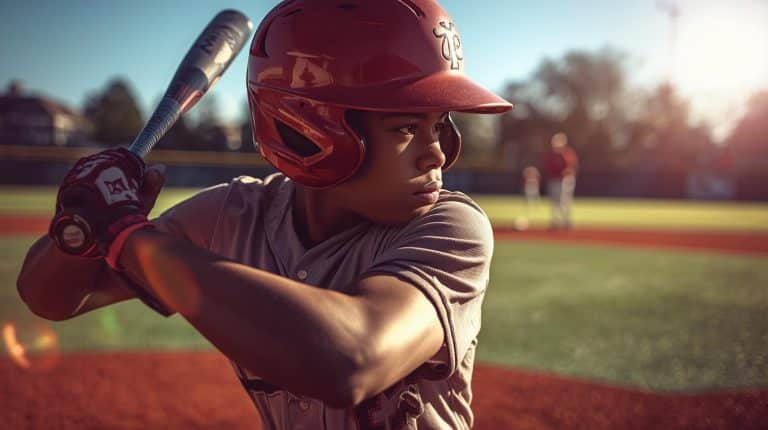
For stance, I’ve found that shoulder-width apart works for about 90% of kids. Weight should be evenly distributed on the balls of their feet, not back on their heels where they can’t move quickly. I learned this lesson the hard way when half my team was falling backwards during their swings because nobody taught them proper balance.
Weight Distribution and Athletic Posture
Here’s something that took me years to figure out – most kids naturally want to stand too upright. They think they look cool, but they’re killing their power potential. I started using the “sit on a bar stool” cue, and it clicked for so many players.
You want that slight knee bend, like you’re sitting on the edge of a tall stool. This creates that athletic position where they can actually use their legs during the swing. Sarah, one of my better hitters last season, went from weak grounders to line drives all over the field once she understood this concept.
The weight distribution thing is tricky with younger kids. They want to lean forward or rock back, but staying centered is crucial. I have them practice their stance at home in front of a mirror – sounds silly, but it works.
Hand Path and Barrel Control Made Simple
Okay, this is where things get interesting. Hand path used to frustrate me more than anything else I tried to teach. Kids would take these massive, looping swings that looked impressive but rarely made contact.
The breakthrough came when I started using the “hands to the ball” concept. Instead of trying to explain complex swing planes, I just tell them to take their hands directly to where the ball is. Shortest path possible. Like reaching for something on a shelf – you don’t swing your arm in a big circle, you just reach straight for it.
Barrel control follows naturally once the hands are on the right track. I use the “knob to the ball” drill constantly. Have them start their swing by pointing the knob of the bat toward the incoming pitch. This automatically positions the barrel to make contact. Simple but effective.
Hip and Shoulder Sequencing
This one’s probably the toughest concept for young hitters to grasp. The timing of when hips fire versus when shoulders come through makes or breaks a swing. I’ve seen too many kids try to muscle everything with their arms.
I teach it like a whip crack. Hips start first, creating that separation from the shoulders. Then the shoulders fire through. The whole sequence should flow like you’re throwing a punch – power starts from the ground up, not from the arms down.A
My favorite drill for this is having them swing with just their bottom hand on the bat. Forces them to use their core and hips instead of just their arms. Once they feel that hip drive, adding the top hand back on becomes natural.
Common Mistakes and Quick Fixes
The biggest mistake I see? Kids are trying to hit home runs every swing. Creates all sorts of mechanical problems – dropping the back shoulder, uppercutting everything, losing balance. I always tell parents that line drives win games, not fly balls to the warning track.
Another common issue is the “happy feet” problem. Kids stepping out toward first base instead of staying closed. Quick fix is the bucket drill – put a bucket where their front foot should land, and they’ll learn proper stride direction pretty quickly.
Head movement kills more good swings than anything else. “Keep your eye on the ball” isn’t enough – they need to keep their head still throughout the swing. I use the “nose stays over the plate ” cue, and it helps them over the plate