Age-Appropriate Progressions (By Age/Skill Level)
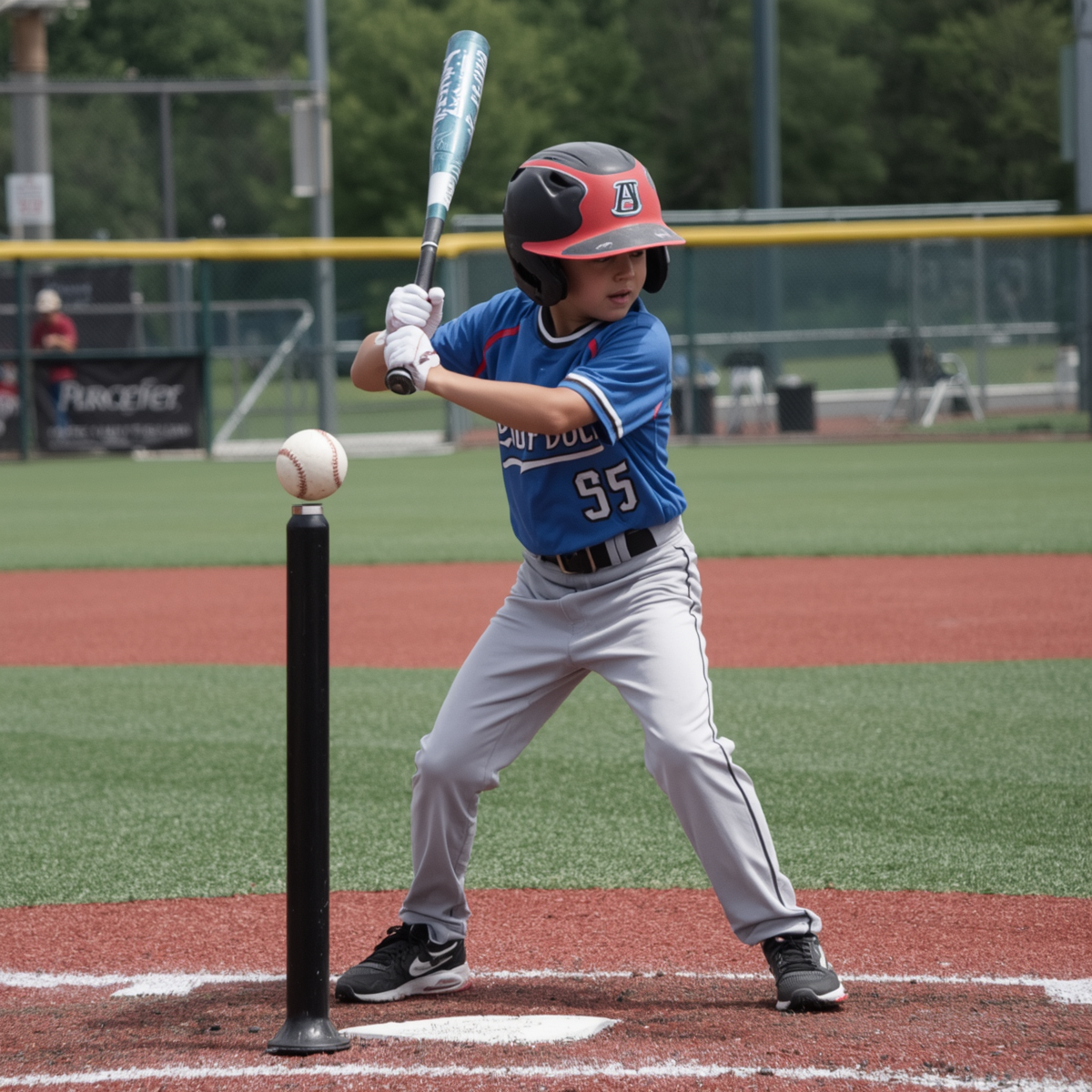
One of the biggest mistakes I see coaches and parents make — and I’ve made it myself — is treating a 7-year-old like a mini version of a high school player. I remember watching a dad work his 6-year-old through a full load-and-stride drill in a batting cage once, and the kid just looked… lost. And honestly? Frustrated. Like he wanted to be anywhere else on earth.
That stuck with me. Because at that age, the only job is to make hitting feel fun and possible.
Ages 6–8: Contact, Coordination, and Keeping the Love Alive
For kids in this age range, forget the mechanics. I mean it. The number one goal is hand-eye coordination and getting them to actually enjoy swinging a bat. We’re talking tee work, soft toss, and a whole lot of “nice swing!” even when it wasn’t.
At this stage, research out of the American Sport Education Program shows that kids under 8 are still developing basic motor patterns — so complex movement chains just don’t stick yet. What does stick is repetition that feels like play. Short sessions — 15 to 20 minutes max — with lots of positive feedback. That’s your formula.
I used to run hitting clinics for this age group, and the drill that worked every single time was a simple “see it, hit it” tee drill where the kid called out the ball color before swinging. Sounds silly. Works great. Their eyes lock in, and they don’t even realize they’re training tracking skills.
Ages 9–11: Okay, Now We Can Talk Mechanics
This is where things start to get interesting — and also where a lot of well-meaning coaches jump too far ahead. Around age 9 or 10, kids are ready to start learning a simple load and stride. Not a full college-level weight transfer sequence, just the idea that you gather before you go.
A good starting cue I’ve used forever: “rock back, then attack.” Simple, rhythmic, and it actually works. From there, you can introduce basic timing drills like front toss with varied speeds — start slow, throw a faster one, see how they adjust. Their brains at this age are way more adaptable than we give them credit for.
By 11, most kids can handle some light situational work too. Two strikes? Choke up a little. Runner on second? Drive it to the right side. Nothing complicated, just planting seeds.
Ages 12–14: Where Real Development Happens
This age range is honestly my favorite to coach. The lights start to come on. Kids can now handle concepts like hip rotation, bat lag, and the kinetic chain without their eyes glazing over. This is when you start seeing real bat speed gains — and bat speed, by the way, is one of the most trainable skills in hitting.
Studies on youth athletic development suggest that rotational power is best developed between ages 12 and 15, when fast-twitch muscle fibers are becoming more responsive to training stimulus. That means this window actually matters. A 13-year-old doing resistance band hip rotation work, medicine ball rotational throws, and high-rep tee work with intent? That kid is going to be different in two years.
Situational hitting should be a big part of practice at this level too. Work on two-strike approaches, opposite field hitting, and recognizing pitch location early. These aren’t advanced concepts anymore — they’re the table stakes for moving up in competition.
Adjusting Expectations Based on Age (This One’s For the Parents)
Here’s the honest truth that nobody wants to hear: not every 8-year-old who struggles is “behind.” And not every 12-year-old who’s crushing travel ball is destined for a scholarship. Development is wildly non-linear in youth sports.
I’ve seen late bloomers completely flip the script at 13 and 14 after years of looking average. And I’ve seen “phenoms” at 9 burn out by 12 because expectations were piled on too heavy, too early. So please, I’m begging you — measure progress against the kid’s own previous self, not against his teammate.
For 6–8 year olds, a good metric is: are they making more contact than last month? For 9–11, are they showing better timing awareness? For 12–14, track bat speed (a Blast Motion or HitTrax sensor makes this easy and affordable), exit velocity, and hard-hit rate. Those numbers don’t lie, and they give kids something real to chase.
The goal at every age is the same, really — keep them in the game long enough to fall in love with it. Everything else follows from that.
?