Age-Appropriate Training Drills for Young Baseball Players
Finding the right balance between skill development and keeping kids engaged can be tricky. Young players have short attention spans, and if practice feels like work, you’ll lose them fast. The key is making fundamental skill-building feel like games rather than drills. This is where Tee ball progression drills come into play, enhancing their engagement.
Incorporating short games into practice not only aids in skill development but also maintains the children’s enthusiasm. For instance, you could set up mini-competitions where players earn points for completing specific tasks, such as successful catches or accurate throws. This gamification of practice can significantly enhance their learning experience.
Additionally, Tee ball progression drills can be incorporated into short games during practice, which not only aids in skill development but also keeps the children’s enthusiasm high.
Ultimately, using Tee ball progression drills will keep training sessions fun and effective for young players.
Moreover, incorporating Tee ball progression drills into practice sessions can significantly improve skill acquisition while keeping the games fun and dynamic.
Incorporating Tee ball progression drills will further aid players in mastering their techniques with confidence.
Consider using visual aids to help with understanding the mechanics of hitting. Diagrams or videos that show the proper stance, grip, and swing path can be incredibly helpful. Additionally, using a mirror or video recording can allow players to self-assess their form during practice, fostering a greater sense of awareness regarding their technique.
When adjusting the tee’s position, explain to the players why each position is important. For instance, hitting a ball that is high might simulate a pitch from a taller pitcher, while a low ball can help them learn to adjust their swing for different types of pitch heights. By understanding the purpose behind each drill, players are more likely to engage and put in the effort required.
Soft toss can also be varied to improve different aspects of hitting. For example, you can use different types of balls, such as whiffle balls or even foam balls, to adjust the difficulty level. This variety keeps players on their toes and allows them to adapt to different hitting challenges.
Encourage players to communicate during soft toss drills. By calling out the type of pitch they’re expecting, they can practice their timing and decision-making skills. This engagement can lead to better concentration and anticipation, which are crucial when facing live pitchers.
To enhance fielding skills, incorporate fun activities like ‘fielding tag,’ where players field balls while avoiding being tagged by another player. This adds an element of excitement and urgency, helping them to better focus on the ball while learning to move quickly and efficiently.
In addition to the ‘traffic light’ game, consider using visual cues, such as colored flags or cones, to signal different actions during fielding drills. This can help reinforce the concepts while keeping the players engaged in a dynamic way.
When practicing partner throwing, emphasize the importance of eye contact before making a throw. This simple yet effective communication technique encourages players to focus on their partner and improves overall throwing accuracy.
Incorporate fun challenges into throwing drills, like seeing who can make the most accurate throw to a target. These challenges can create a friendly competition that motivates players to improve their skills while having fun.
Introduce variations in base running drills, such as incorporating obstacles or creating scenarios where players must decide when to advance or hold based on visual cues. This not only makes the practice more interesting but also prepares them for real game situations.
By continually adapting your drills and incorporating new elements, you’ll keep the players engaged while developing their skills significantly over time. Using structured yet flexible practices ensures that learning remains fun and effective.
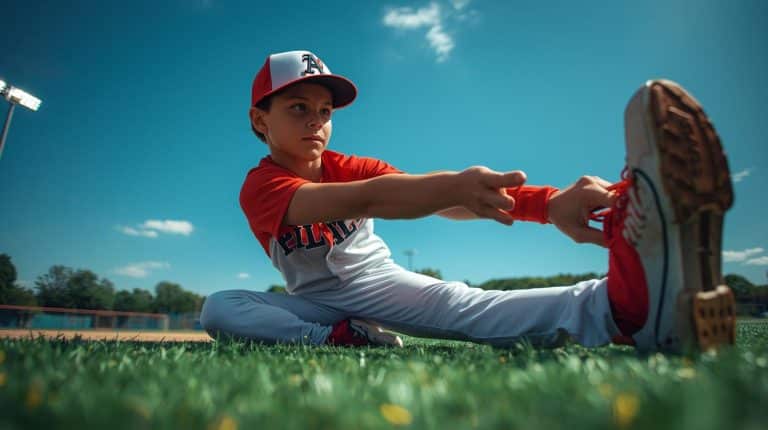
Finally, ensure that at the end of each practice, players have a cooldown period. This can involve stretching or light activities to prevent injury and allow for reflection on what they learned during the session.
Wrap up practices with a fun review session where players can share what they’ve learned. This not only reinforces their skills but also encourages teamwork and communication, creating a more cohesive team environment.
Tee ball progression is where most young hitters should start, regardless of age. Even older beginners benefit from going back to basics. Start with the tee positioned at belt height, right over home plate. Focus on contact first – power comes later. I like to place different colored cones in the outfield and have players try to hit toward specific colors. It keeps them focused on making solid contact while adding an element of fun.
Once they’re consistently making contact, move the tee to different positions – inside corner, outside corner, high, and low. This teaches them to adjust their swing path, which is crucial for hitting live pitching later. Don’t rush this progression; some players need weeks on the basic setup before they’re ready to move on.
Soft toss is probably the most underrated drill out there. Have the tosser kneel about 6 feet to the side and slightly in front of the hitter. The ball should be tossed underhand in a gentle arc, arriving at the hitting zone at about waist height. Start close and gradually increase the distance as timing improves.
What makes soft toss so effective is that it bridges the gap between tee work and live pitching. Players learn to track a moving ball while still having a predictable trajectory. I’ve seen kids who struggled with timing suddenly “get it” after consistent soft toss work.
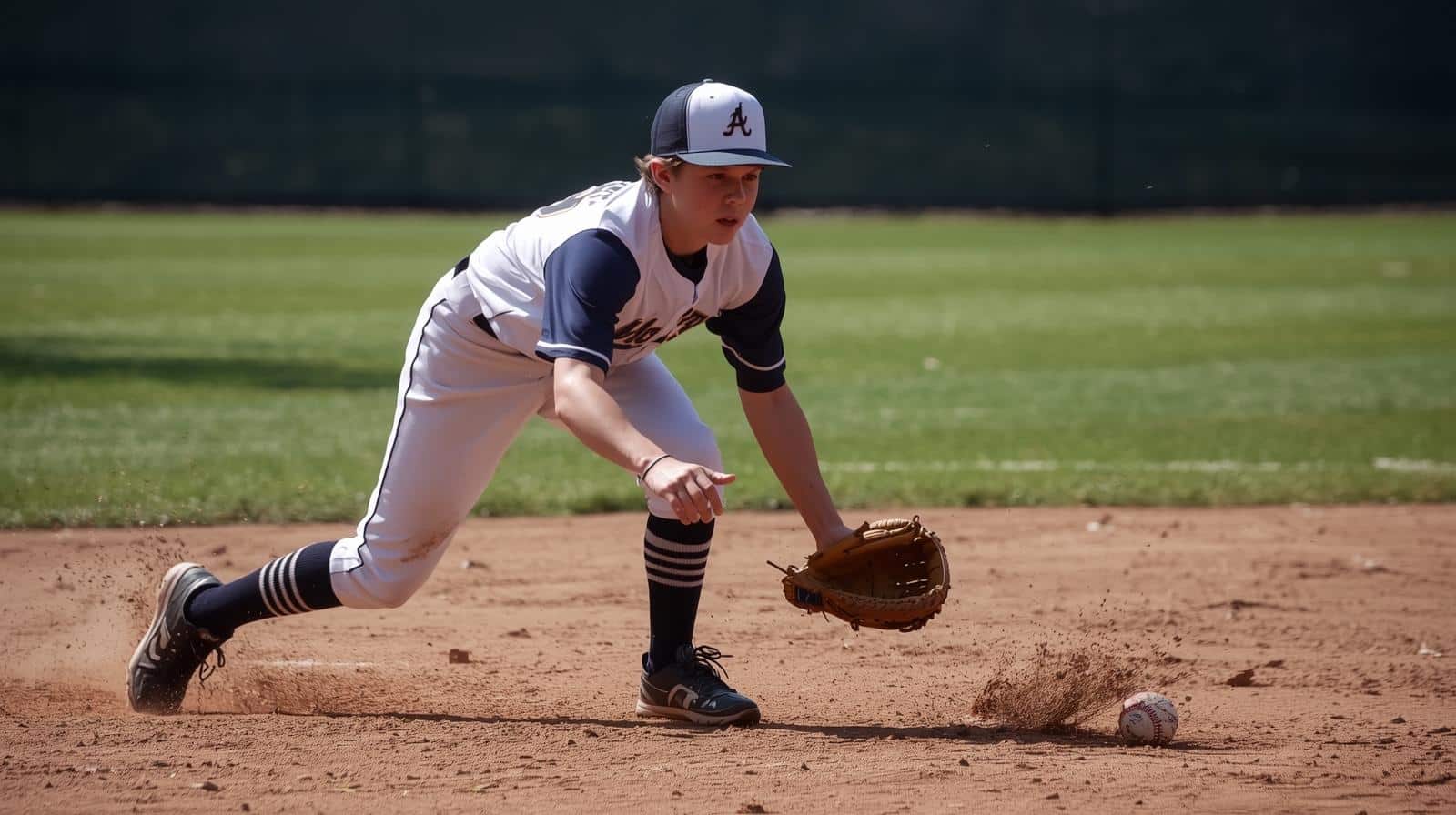
For fielding, tennis balls are game-changers with younger players. They’re less intimidating than hard baseballs, which means kids are more likely to get in front of ground balls instead of bailing out. Start with simple roll-the-ball-back-and-forth exercises, gradually increasing speed and adding lateral movement.
Create a “traffic light” game where green means field the ball cleanly, yellow means one hop to your partner, and red means hold the ball. This teaches ball control while keeping kids engaged. The beauty of tennis balls is that mistakes don’t hurt, so players develop confidence faster.
Partner throwing should always start close – maybe 15 feet apart. Too many coaches have kids throwing from regulation distance right away, which leads to wild throws and bad habits. Start with gentle underhand tosses, focusing on accuracy over distance. As technique improves, gradually increase distance and move to overhand throws.
The “step and throw” concept is crucial here. Many young players throw flat-footed or step toward the wrong direction. Make it a point of emphasis in every throwing drill.
Base running games work better than straight instruction. Set up relay races where players have to run through first base, touch the bag with their right foot, and continue through. Or create “red light, green light” games where players practice getting good leads and returning to bases quickly.
Ultimately, focusing on Tee ball progression drills allows young athletes to build a solid foundation in baseball fundamentals, ensuring they remain engaged and excited about the game.