Age-Appropriate Training Drills for Young Baseball Players
Finding the right balance between skill development and keeping kids engaged can be tricky. Young players have short attention spans, and if practice feels like work, you’ll lose them fast. The key is making fundamental skill-building feel like games rather than drills.
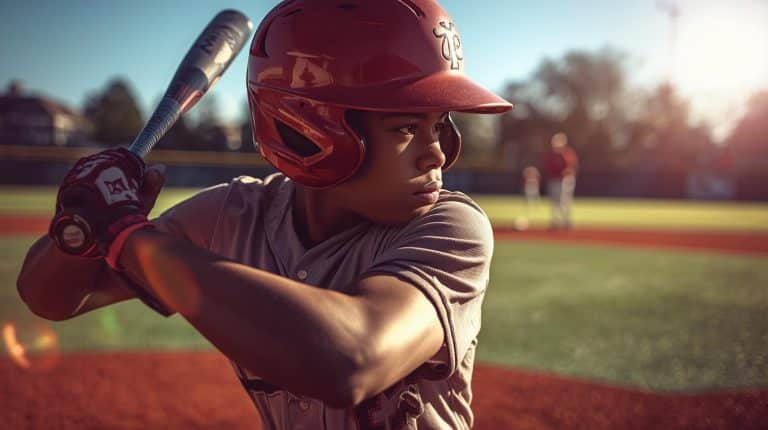
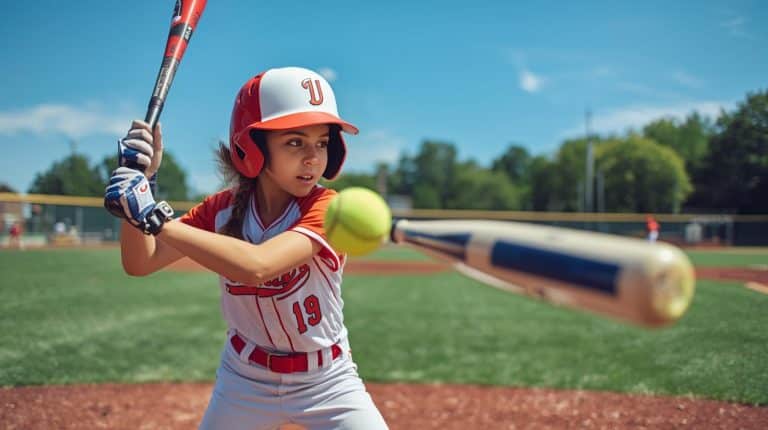
Tee ball progression is where most young hitters should start, regardless of age. Even older beginners benefit from going back to basics. Start with the tee positioned at belt height, right over home plate. Focus on contact first – power comes later. I like to place different colored cones in the outfield and have players try to hit toward specific colors. It keeps them focused on making solid contact while adding an element of fun.
Once they’re consistently making contact, move the tee to different positions – inside corner, outside corner, high, and low. This teaches them to adjust their swing path, which is crucial for hitting live pitching later. Don’t rush this progression; some players need weeks on the basic setup before they’re ready to move on.
Soft toss is probably the most underrated drill out there. Have the tosser kneel about 6 feet to the side and slightly in front of the hitter. The ball should be tossed underhand in a gentle arc, arriving at the hitting zone at about waist height. Start close and gradually increase the distance as timing improves.
What makes soft toss so effective is that it bridges the gap between tee work and live pitching. Players learn to track a moving ball while still having a predictable trajectory. I’ve seen kids who struggled with timing suddenly “get it” after consistent soft toss work.
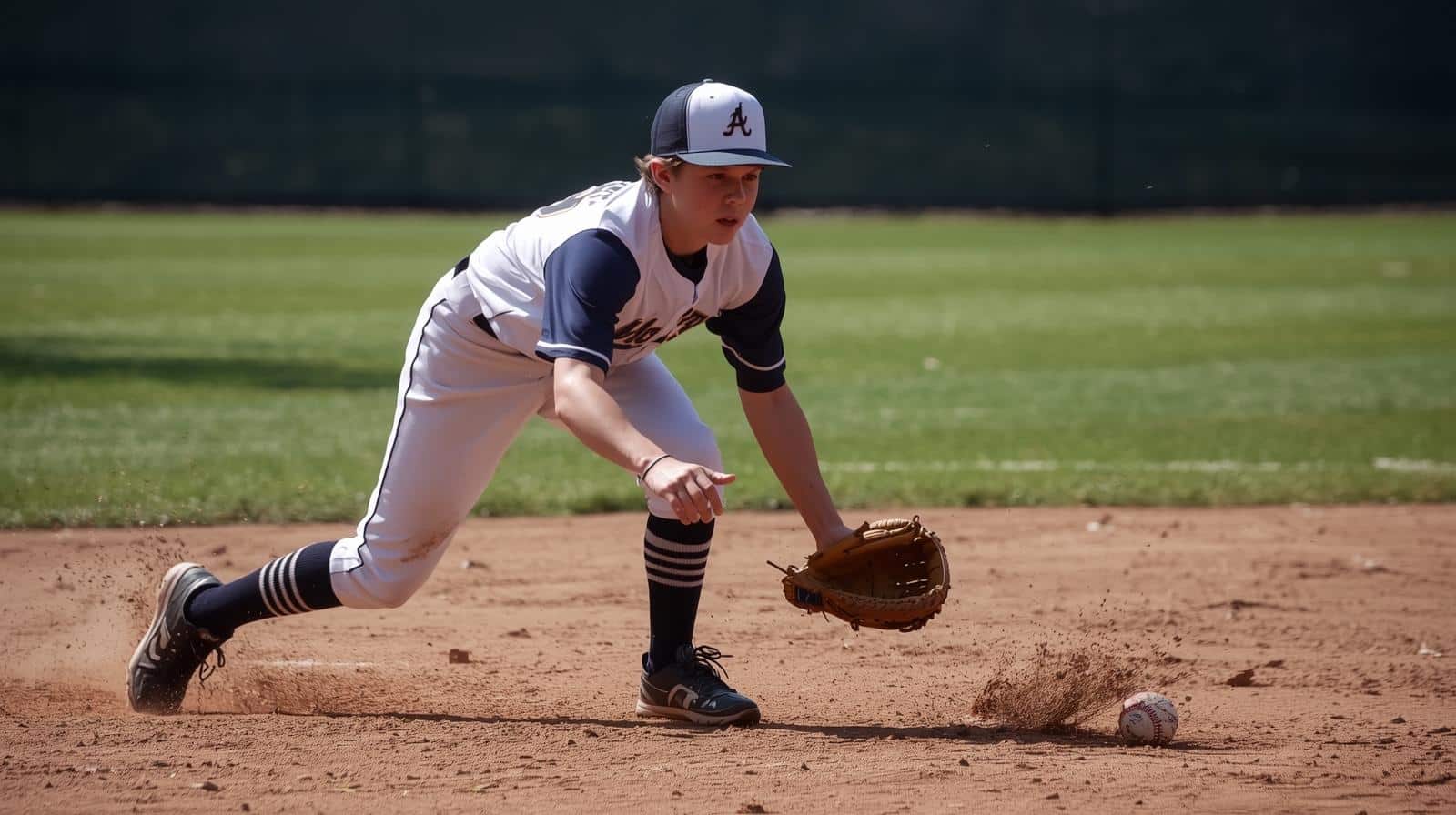
For fielding, tennis balls are game-changers with younger players. They’re less intimidating than hard baseballs, which means kids are more likely to get in front of ground balls instead of bailing out. Start with simple roll-the-ball-back-and-forth exercises, gradually increasing speed and adding lateral movement.
Create a “traffic light” game where green means field the ball cleanly, yellow means one hop to your partner, and red means hold the ball. This teaches ball control while keeping kids engaged. The beauty of tennis balls is that mistakes don’t hurt, so players develop confidence faster.
Partner throwing should always start close – maybe 15 feet apart. Too many coaches have kids throwing from regulation distance right away, which leads to wild throws and bad habits. Start with gentle underhand tosses, focusing on accuracy over distance. As technique improves, gradually increase distance and move to overhand throws.
The “step and throw” concept is crucial here. Many young players throw flat-footed or step toward the wrong direction. Make it a point of emphasis in every throwing drill.
Base running games work better than straight instruction. Set up relay races where players have to run through first base, touch the bag with their right foot, and continue through. Or create “red light, green light” games where players practice getting good leads and returning to bases quickly.
Relay races that incorporate multiple skills are perfect for ending practice on a high note. Try fielding a ground ball, making an accurate throw to a teammate, then running to first base. Kids love competition, and they’re practicing three fundamental skills without realizing it.