Essential Equipment Guide for Beginning Baseball Players
0 glove for his first season of tee-ball. I almost fell for it too, standing there surrounded by all that pristine leather and fancy brands. Thank goodness an older dad pulled me aside and gave me the reality check I desperately needed.
Getting the right equipment doesn’t mean breaking the bank, but it does mean knowing what actually matters versus what’s just marketing fluff. After outfitting dozens of kids over the years and making plenty of expensive mistakes myself, I’ve got this down to a science.
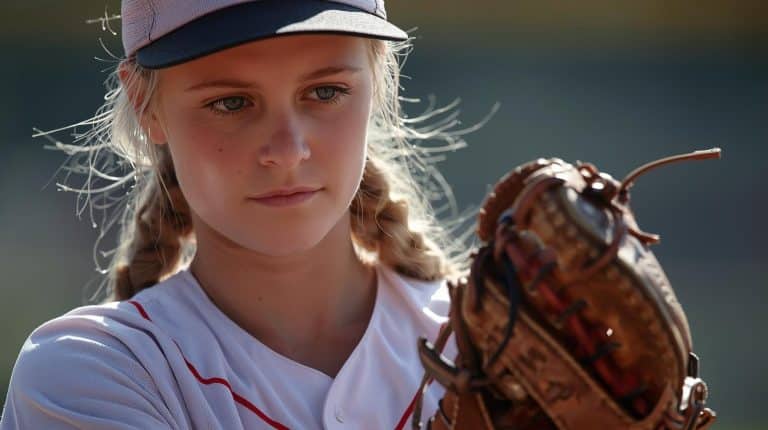
Youth baseball glove sizing drives me up the wall when I see it done wrong. You’ve got these tiny kids with massive gloves they can’t even close, dropping everything because their parents thought bigger meant better.
Here’s your cheat sheet: Ages 4-6 need 9 to 10 inches. Ages 7-8 can handle 10.25 to 10.75 inches. Ages 9-12 go with 10.75 to 11.5 inches. Measure from the heel of the glove to the tip of the index finger. But honestly? The squeeze test matters more. Have your kid put it on and try to close it with one hand. If they’re straining or can’t do it, it’s too big. Period.
Material-wise, skip the expensive leather for beginners. Those synthetic or “leather-like” gloves around $25-40 are perfect. They’re pre-broken in, lighter, and when your kid leaves it in the rain (not if, when), you won’t cry. My son’s first real leather glove got left at the park exactly twice before I learned this lesson.
Position-specific gloves are completely unnecessary until at least age 12. Get a regular fielder’s glove and call it good. Those salespeople pushing first baseman’s mitts for seven-year-olds are just trying to hit their quotas.
Choosing the right bat drove me crazy for years until I learned the actual formula that works. Forget those complicated charts at the store.
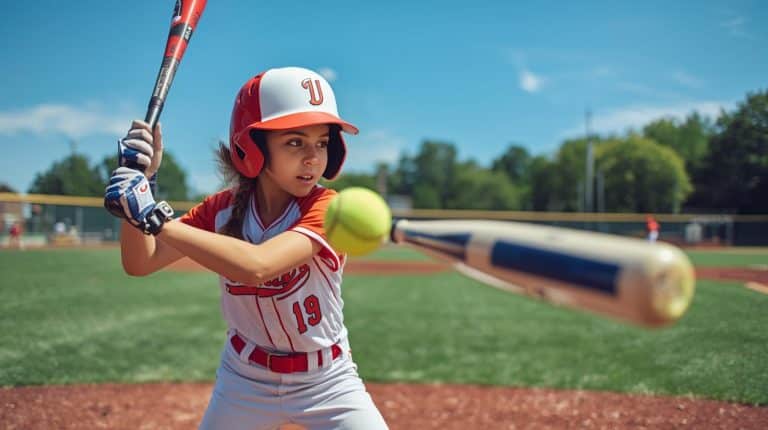
Here’s what actually works: Have your kid hold the bat straight out to their side with one hand for ten seconds. Can’t do it? Too heavy. Their arm shakes after five seconds? Still too heavy. The length test is even simpler – stand the bat next to them. It should come somewhere between their hip and mid-belly button. Any longer and they’ll struggle with control.
Weight distribution matters more than total weight though. Balanced bats (weight evenly distributed) are way better for beginners than end-loaded ones. You want something between a -10 and -13 drop weight. That means a 28-inch bat should weigh between 15-18 ounces. USA Baseball certification is required for most leagues now, so look for that stamp or you’ll be making a return trip.
Used bats are totally fine if they’re not dented or cracked. I buy them off Facebook Marketplace all the time for $30-50 instead of paying $150 new.
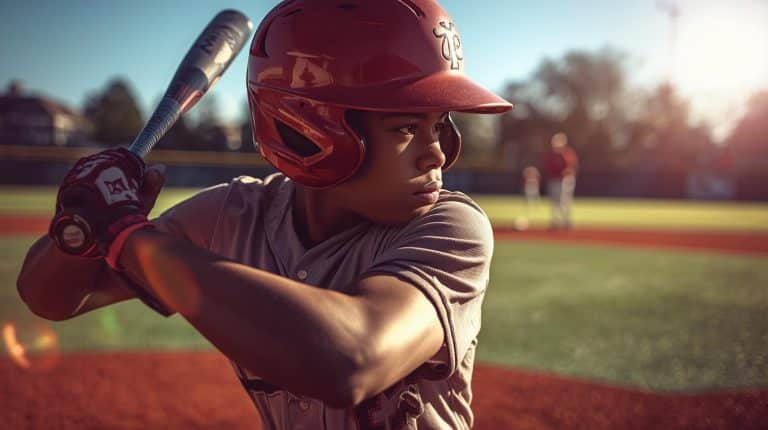
Helmet safety isn’t somewhere to cut corners, but you also don’t need the $200 one with the face mask unless your kid’s catching.
NOCSAE certification is non-negotiable – look for that stamp. The helmet should sit level on their head, about an inch above their eyebrows. When they shake their head, it shouldn’t shift around. Too many parents buy helmets too big thinking about “next season.” Your kid’s brain doesn’t care about next season.
Here’s my helmet test: put it on your kid and gently try to rotate it. If you can turn it more than an inch in any direction, it’s too loose. The ear holes should align with their ears, not be up by their temples or down by their jaw. Most helmets come with removable padding to adjust the fit. Use it.
One-size-fits-all helmets with the adjustment dial are garbage for actual protection. Get a properly sized helmet. They run $25-40, and honestly, the cheap ones protect just as well as the expensive ones if they fit right.
Footwear is where parents always overspend without realizing they’re buying the wrong thing entirely. Those $80 metal cleats? Your eight-year-old can’t even wear them in most leagues.
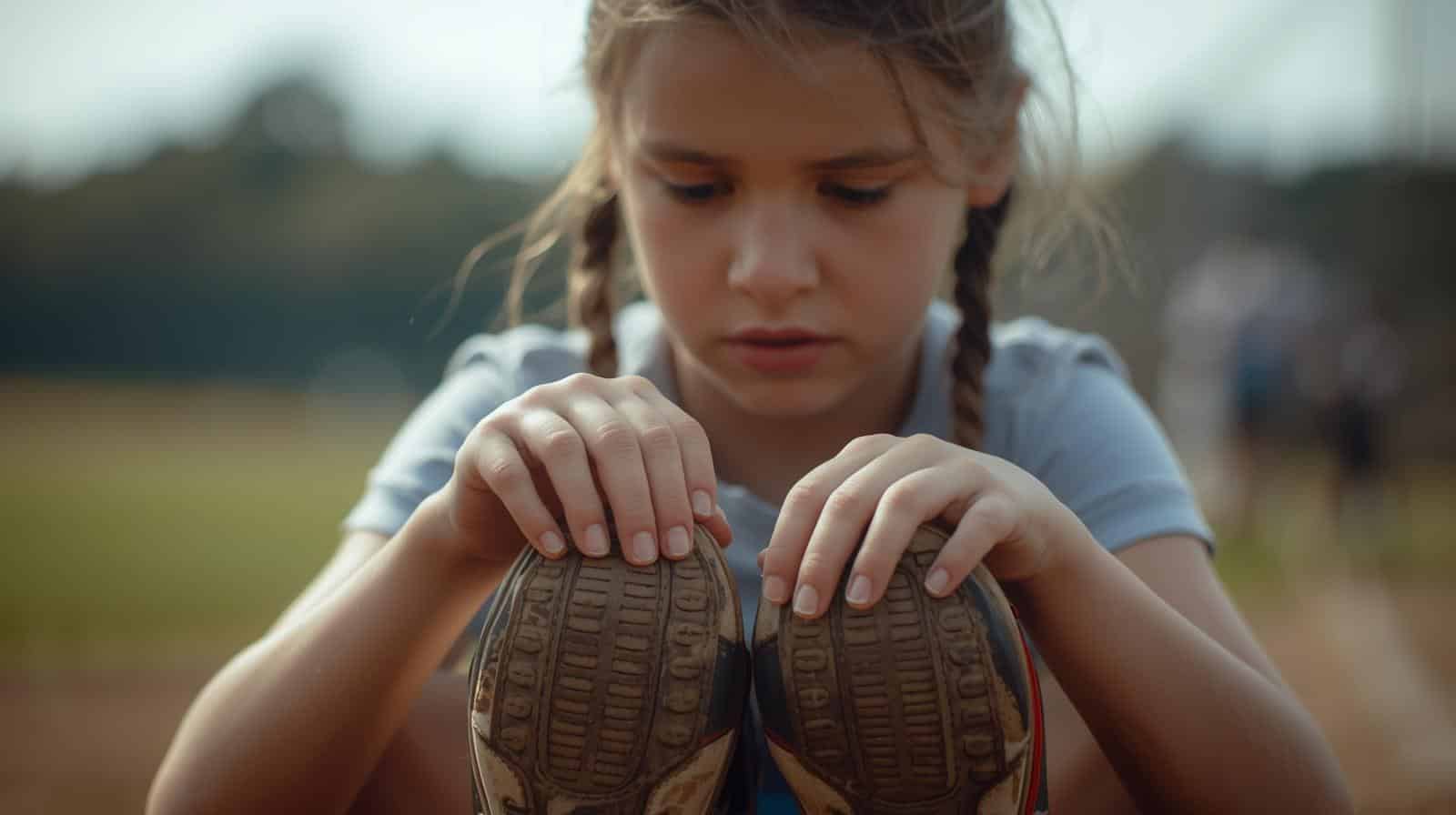
Rubber molded cleats are perfect until age 13. They’re cheaper, safer, and work on every surface. Turf shoes are actually better for practice and training – more comfortable, and kids can wear them to and from the field without changing. Get one pair of molded cleats for games ($25-35) and one pair of turf shoes for practice ($20-30). That’s it.
For tee-ball and coach-pitch, honestly regular athletic shoes are fine. Don’t let anyone convince you otherwise. My kid played his entire first season in his school sneakers and did great.
Budget-friendly options saved my wallet when I figured out the secret sources. Play It Again Sports is goldmine for used equipment. End-of-season sales in August are amazing – I stock up for the next year at 50% off.
Here’s my budget breakdown for a complete starter set: Glove ($30 used or synthetic), bat ($40 used), helmet ($30 new – don’t buy used helmets), cleats ($25 molded rubber), baseball pants ($15 at Walmart), belt ($5), and batting gloves if they want them ($10). That’s $155 total, not the $500+ the sporting goods store will try to convince you to spend.
Dick’s Sporting Goods’ clearance rack in September is incredible. Amazon Warehouse deals for returned items work great for bags and accessories. Just avoid used helmets and always check bat certification dates.
Team equipment swaps are genius if your league organizes them. We do one every spring where families bring outgrown stuff and trade. I’ve gotten $200 bats for a pair of cleats my kid outgrew.
Knowing when to upgrade equipment is tricky because kids want new stuff constantly, but they don’t always need it.
Gloves should be upgraded when fingers poke through the top when extended, or they genuinely can’t close it anymore from growth. Usually that’s every 2-3 years, not every season. If they’re transitioning to a specific position (like catcher or first base), that’s when specialized gloves make sense.
Bats need replacing when your kid consistently makes good contact but can’t get it out of the infield, or when they physically can’t control their swing anymore. Growth spurts are usually the trigger. Also, if they’re moving to a different league with different bat requirements, obviously.
Helmets should be replaced after any significant impact, even if they look fine. The foam compresses and won’t protect properly next time. Also upgrade when their head literally doesn’t fit anymore – you can’t squeeze a growing head into last year’s helmet safely.
Cleats get replaced when the traction is gone or they’re causing discomfort. Kids’ feet grow fast, and cramped cleats cause injuries. But here’s the thing – they don’t need top-tier cleats until high school. Those $120 Nike cleats perform the same as $30 ones for a ten-year-old.
The biggest mistake I see is parents upgrading everything because their kid made all-stars once. Your kid doesn’t need pro-level equipment to play well. I’ve watched kids with hand-me-down everything destroy kids with brand-new, top-shelf gear.
What matters is that equipment fits properly and is safe. Everything else is just marketing. My son hit his first home run with a bat we bought used for $35 and a helmet from Walmart. The other parents couldn’t believe it when I told them.
Focus your money on proper fit and safety, find deals on everything else, and remember that expensive equipment doesn’t create good players – practice does. Save that money for batting cage tokens or camp fees instead. Your kid will develop way faster with proper instruction using decent equipment than with perfect equipment and no guidance.
And please, for the love of baseball, stop buying white baseball pants for seven-year-olds unless you enjoy pretreating stains every single week. Gray pants hide everything and cost the same. You’re welcome for that one.