Creating a Positive Learning Environment
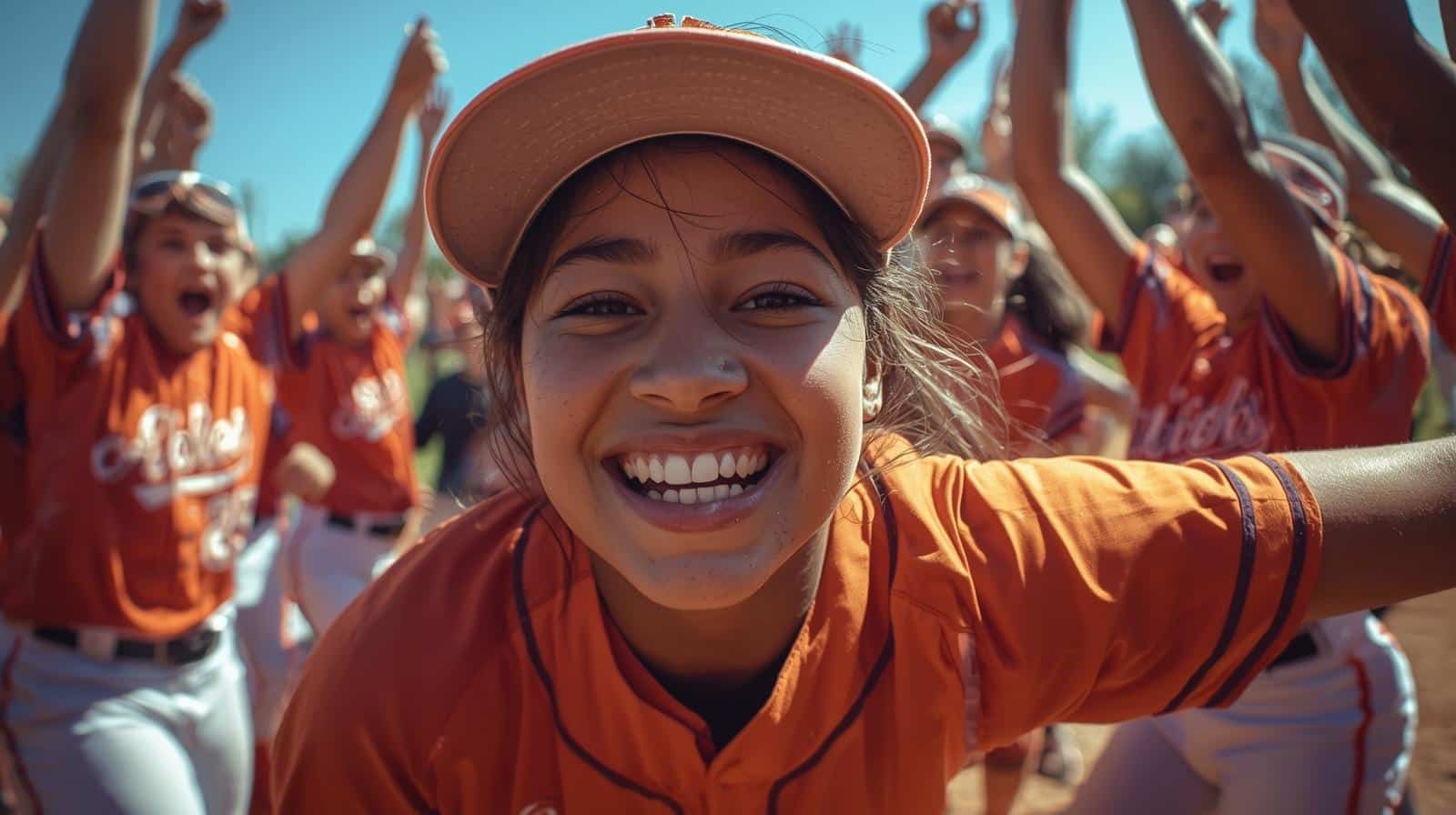
The difference between kids who stick with baseball and those who quit after one season often comes down to how they’re treated during those crucial first experiences. I’ve seen talented players walk away from the sport because someone made them feel like they weren’t good enough, and I’ve watched average players become solid contributors simply because they felt supported.
Encouragement beats criticism every single time, especially with young players. When a kid strikes out, they already know they failed – you don’t need to point that out. Instead of saying “you’re dropping your shoulder,” try “great swing, let’s work on keeping that back elbow up.” It’s the same information delivered in a way that builds confidence rather than tearing it down.
This doesn’t mean being fake or overly positive about everything. Kids can spot phony praise from a mile away. But there’s always something positive you can find, even in a poor performance. Maybe they had good hustle running to first base, or they stayed in the batter’s box on a close pitch instead of bailing out.
Setting realistic expectations is huge, and this is where a lot of parents and coaches mess up. Not every 10-year-old is going to make contact with every swing. Expecting perfection leads to frustration for everyone involved. I’ve found that focusing on effort and improvement rather than results keeps kids engaged longer.
A realistic goal might be making contact 3 out of 10 swings during practice, then celebrating when they hit 4. Small improvements feel like major victories when you frame them correctly, and those small victories build momentum.
Making practice engaging requires creativity, but it’s not rocket science. Traditional drill work gets boring fast, especially for younger players. Instead of just having kids field ground balls repeatedly, create a game where they earn points for clean catches and accurate throws. Suddenly the same skill development becomes competitive and fun.
I like using music during practice – it keeps energy high and signals different activities. When the music stops, everyone freezes in their ready position. When it starts again, they continue the drill. Sounds silly, but it works.
Games disguised as drills work better than drills that feel like work. That relay race I mentioned earlier teaches base running, but kids think they’re just playing a game. “Around the horn” throwing competitions develop arm strength and accuracy while keeping everyone involved. Even something as simple as trying to hit different colored targets in the outfield turns batting practice into a game.
The key is making sure everyone gets plenty of opportunities to participate. Standing around kills enthusiasm faster than anything else.
Celebrating small victories creates positive momentum that carries over into games. When a player who’s been struggling finally makes solid contact during practice, make sure everyone notices. Not in an embarrassing way, but with genuine recognition of their improvement. High fives, fist bumps, and verbal encouragement go a long way.
Keep track of individual progress – maybe it’s a player’s first successful bunt, or the first time they didn’t back away from an inside pitch. These moments matter more than home runs to players who are still building confidence.
Balancing competition with friendship is probably the trickiest part of youth sports. Competition drives improvement, but too much pressure ruins the experience. I’ve found that team challenges work better than individual competitions for younger players. Everyone wins together or works together to improve.
Create situations where kids naturally root for each other’s success rather than hoping their teammates fail. When the whole team benefits from individual achievements, you build camaraderie instead of resentment. The best teams I’ve been around were groups of kids who genuinely wanted their teammates to succeed.
Remember, most of these players won’t go on to play high school baseball, let alone beyond that. But the lessons they learn about effort, teamwork, and handling both success and failure will stick with them forever.